Five Overwatering Mistakes Beginners Make
The most common ways new plant owners accidentally drown their plants — and the simple fix for each one.
Overwatering isn't one mistake — it's a collection of small habits that together keep the soil too wet for too long. Break these five patterns and your plants will be dramatically healthier.
Key Points
What to Do
Replace your watering schedule with a checking schedule — check the soil, then water only if dry
Pick a checking rhythm instead: every 3-4 days in summer, weekly in winter. You'll still develop a feel for each plant's rhythm — just anchored to the soil instead of the calendar.
If your favorite pot has no drainage, use a plastic nursery pot inside it and empty excess water
Lift the inner pot after 20 minutes; any water pooled in the outer pot gets dumped.
When repotting, choose a pot only 2 inches wider than the current one
When you water, pour slowly until water exits the drainage hole — then stop completely
If water races through cracks along the sides without absorbing, the soil has dried out completely — let the pot sit in a tray of water for 30 minutes to rehydrate.
If a plant is wilting and the soil is wet, do not water — investigate for root rot instead
Slide the plant out and look: white firm roots mean it's fine, brown mushy roots with a sour smell mean rot and an emergency repot.
Frequently Asked Questions
How do I know if I'm overwatering my plant?expand_more
The earliest reliable signal is soil that stays wet past 5-6 days, followed by yellowing lower leaves and fungus gnats. The classic late signal is wilting while the soil is still wet — at that point check the roots immediately.
What's the fix for a plant that's been overwatered?expand_more
Stop watering and let the soil dry several inches deep. Check the roots: firm white roots mean the plant will recover with a corrected routine; brown mushy roots need trimming and an emergency repot into fresh, fast-draining mix.
Do drainage layers of gravel at the pot bottom help?expand_more
No — this is one of the most repeated myths in plant care. A gravel layer actually raises the waterline inside the pot, leaving the soil above it wetter for longer. Spend the space on better-draining potting mix instead.
Related Plants
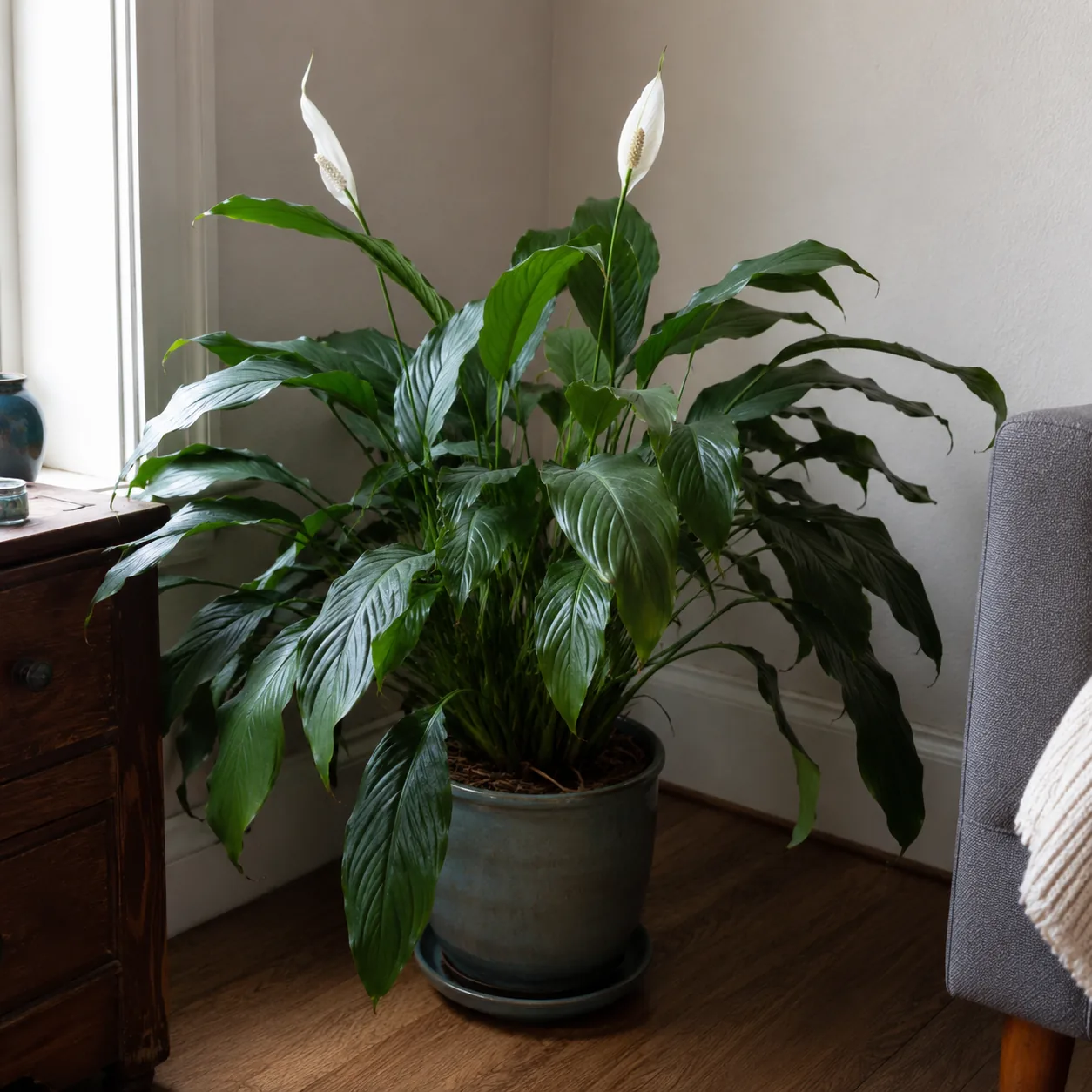
Peace Lily
A compact tropical aroid with glossy green leaves and elegant white spathes, well-suited to low-to-bright indirect indoor light.
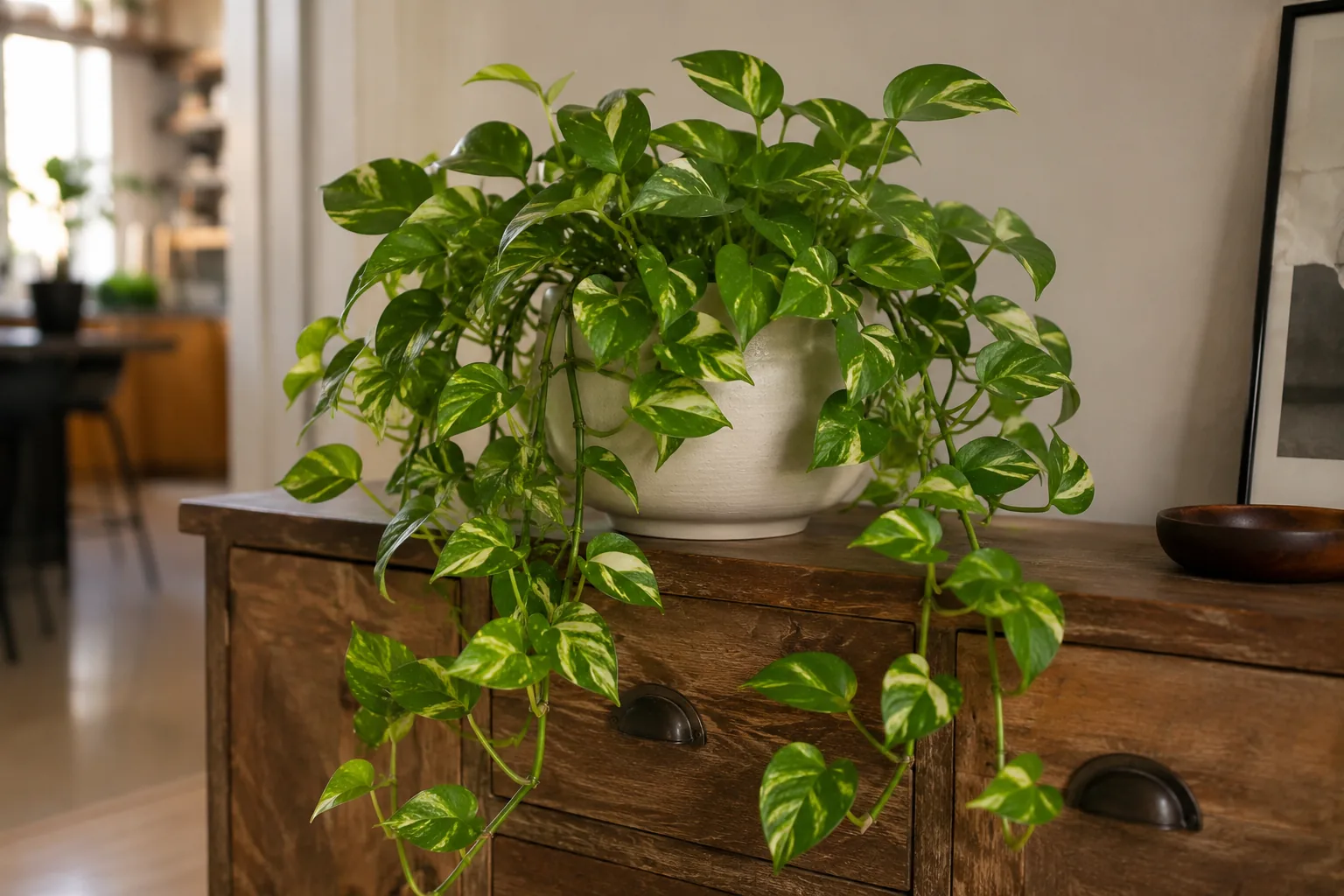
Golden Pothos
A tropical vine with glossy heart-shaped green-and-yellow leaves; an easy, adaptable trailing houseplant for most indoor spaces.
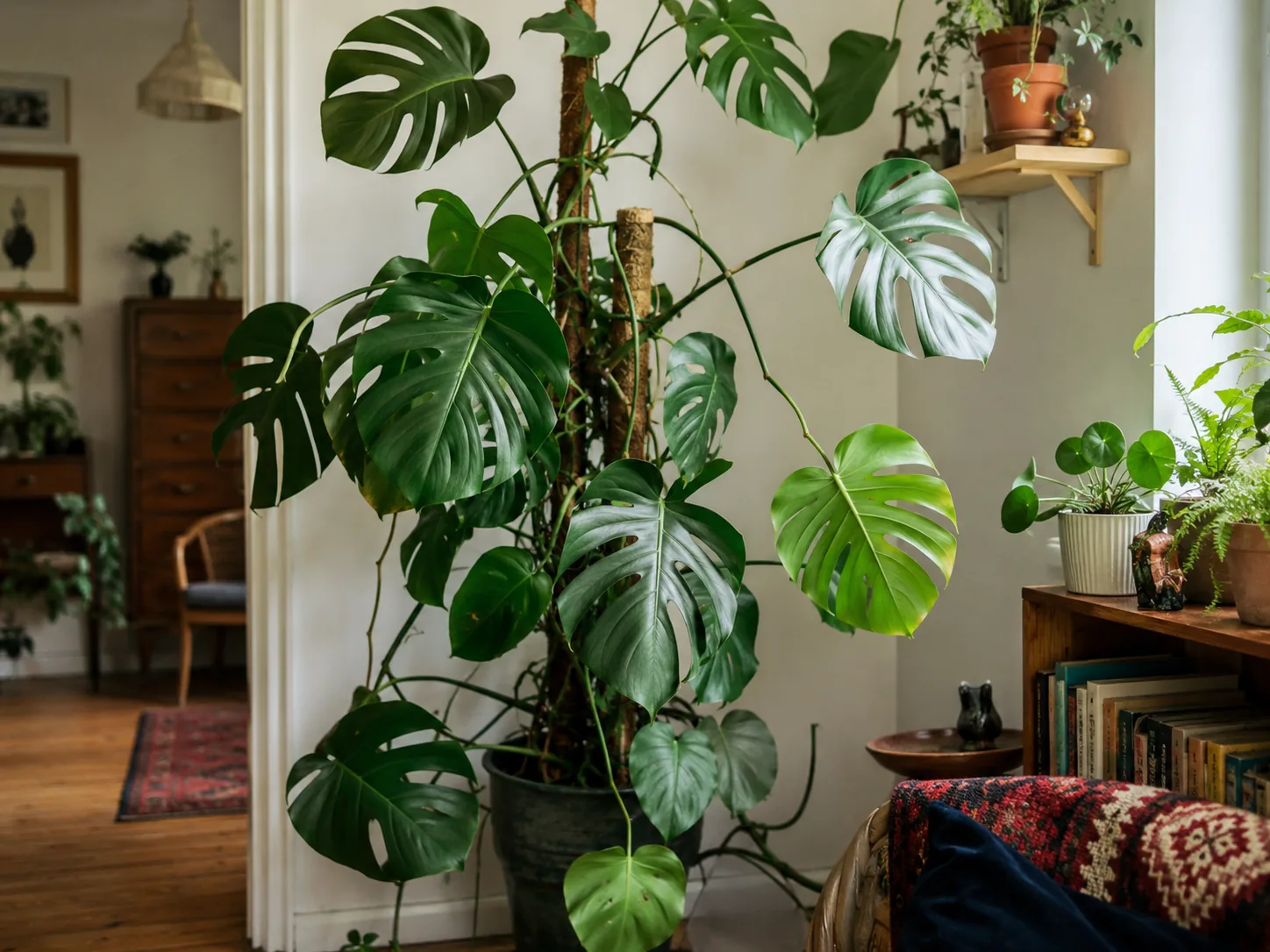
Swiss Cheese Plant
A climbing tropical aroid with large, leathery, fenestrated heart-shaped leaves; ideal for bright indoor spaces with moderate care.
Related Problems
If your plant is already showing symptoms, start with one of these diagnosis pages.
Roots turning brown, mushy, and foul-smelling — caused by persistently wet soil and poor drainage. One of the most serious indoor plant problems.
Indoor plant leaves turning yellow — most commonly caused by overwatering, low light, environmental shock, natural leaf aging, or nutrient deficiency.
Leaves falling off suddenly or gradually — most commonly caused by overwatering, environmental shock, underwatering, or low humidity.