Bringing a New Plant Home: First-Week Checklist
What to do in the first seven days after bringing a plant home — quarantine, inspection, placement, and that crucial first watering.
The first week is when new plants are most vulnerable. They're adjusting to new light, humidity, and temperature — and they may have brought along uninvited guests from the store.
Key Points
What to Do
Unwrap the plant and remove any decorative foil or wrapping from the pot
Foil wrapped around a pot traps water and blocks drainage — it's the quiet killer of gift plants. Take it off completely, or at least poke through the bottom.
Inspect the leaves (top and bottom), stems, and soil surface for insects, webbing, or sticky residue
Undersides are where pests live — a top-only check misses almost everything. Check the soil surface too, especially for tiny flies that indicate fungus gnats.
Keep the plant in a separate room or at least 3 feet from other plants for 3-5 days
Three feet matters: most common pests travel by crawling or short hops, not across the room. Distance buys you time to spot them.
Check the soil moisture — only water if the top 2 inches are dry for most plants
Nursery plants often arrive in soggy soil from daily retail watering — assume it's wetter than it looks and check before adding anything.
Find its permanent spot after the quarantine period, matching the light requirements on its tag
Treat tag light ratings as a starting point, not gospel — when the tag and your hand-shadow test disagree, trust the test.
Resume normal care after 7 days, but hold off on fertilizer for another 3 weeks
Frequently Asked Questions
How long should I quarantine a new plant?expand_more
Three to five days is the minimum that catches most visible pest problems; two weeks is the gold standard for cautious collectors, since some pest eggs take that long to hatch. If you see any pests during quarantine, restart the clock after treating.
Should I repot a new plant right away?expand_more
Usually no — wait 2-4 weeks unless the plant is root-bound to the point of crisis or the soil smells foul. Repotting while the plant is still adjusting to your home compounds stress; the exceptions are urgent root conditions, not impatience.
Why are my new plant's leaves dropping?expand_more
Mild leaf drop in the first two weeks is usually relocation stress — the plant is re-balancing to new light and humidity. Keep care steady and it stabilizes; escalating with extra water or fertilizer at this stage makes it worse.
Related Plants
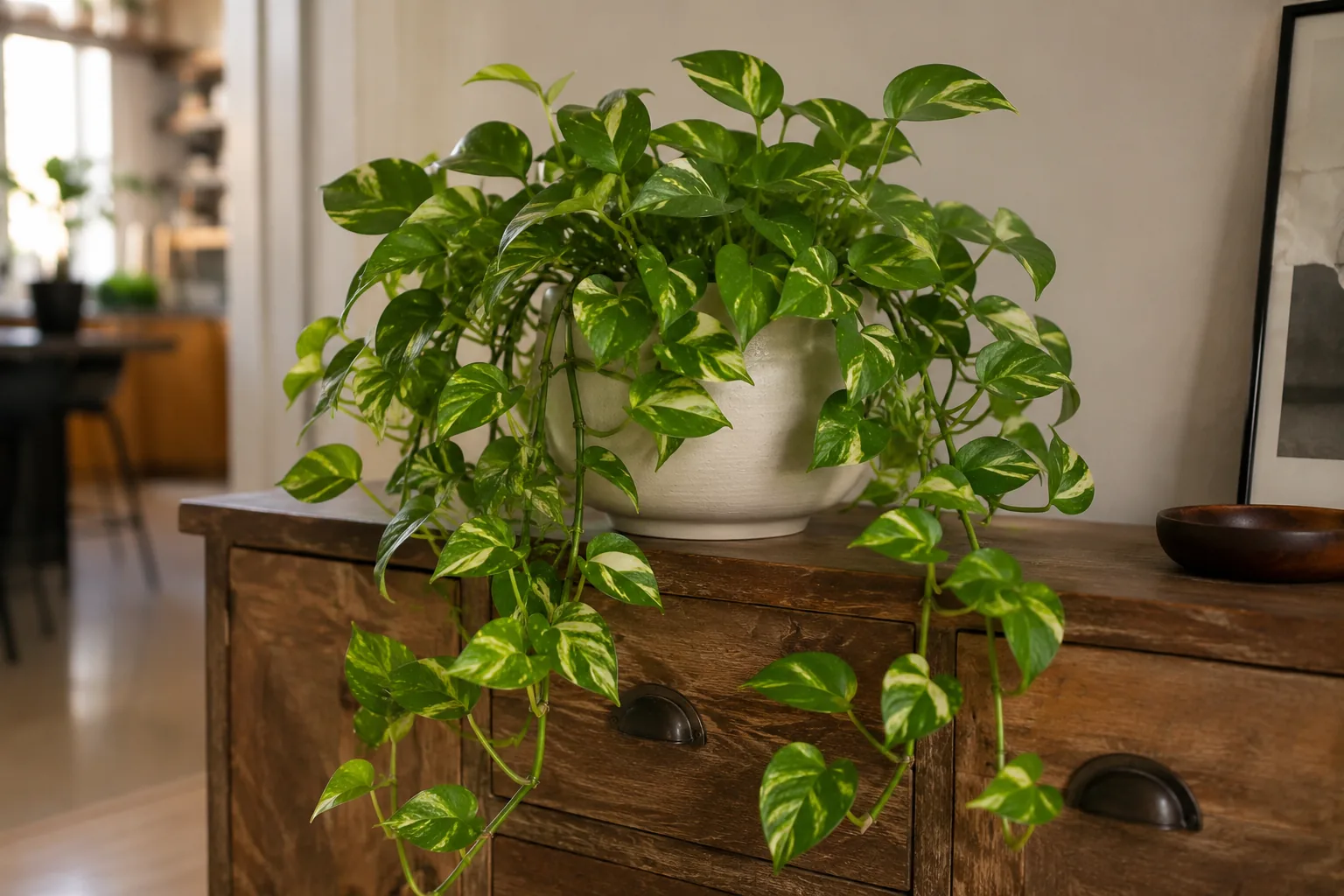
Golden Pothos
A tropical vine with glossy heart-shaped green-and-yellow leaves; an easy, adaptable trailing houseplant for most indoor spaces.
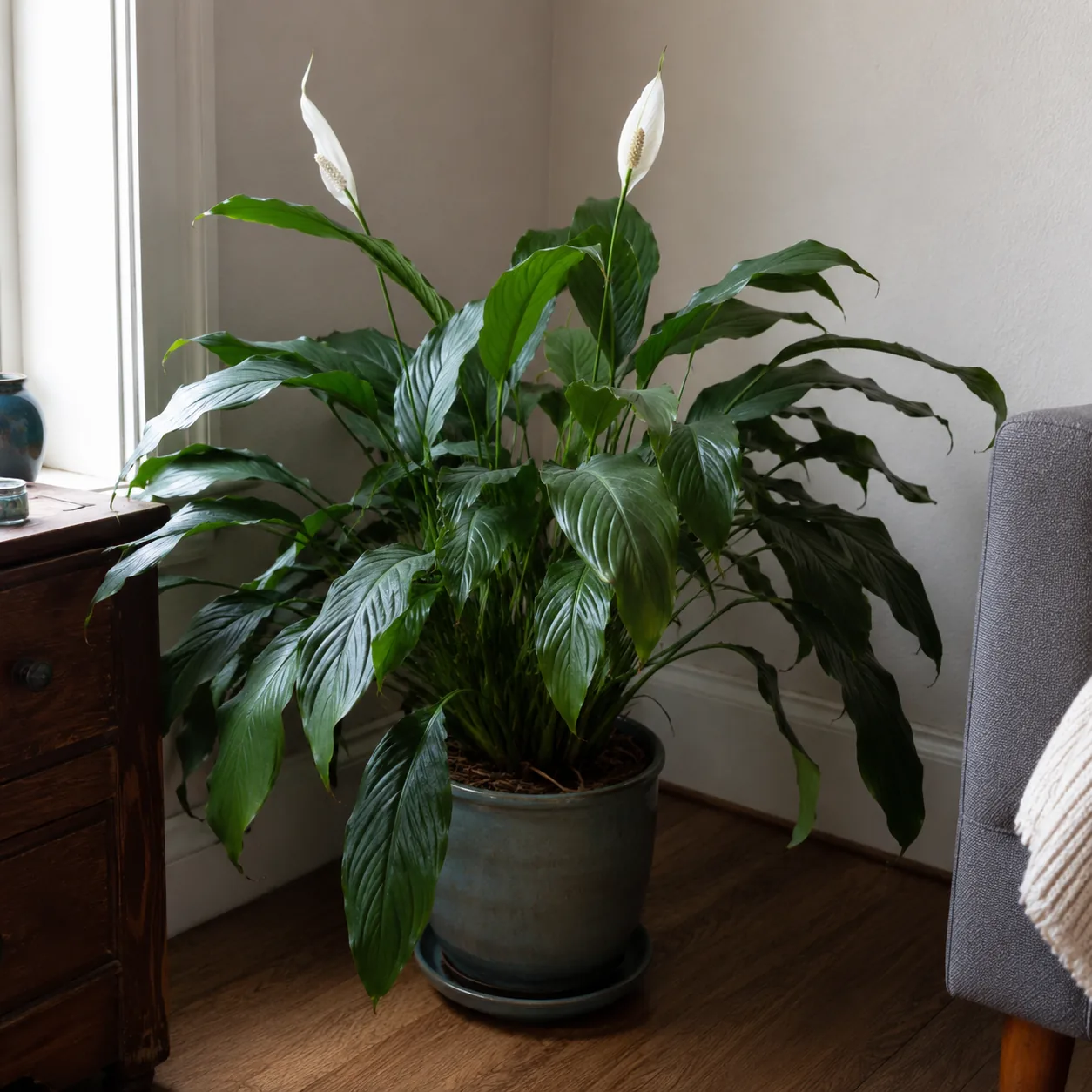
Peace Lily
A compact tropical aroid with glossy green leaves and elegant white spathes, well-suited to low-to-bright indirect indoor light.
Related Problems
If your plant is already showing symptoms, start with one of these diagnosis pages.
Tiny insects, mites, or visible signs of infestation on your indoor plant — most commonly caused by spider mites, mealybugs, scale insects, fungus gnats, or thrips.
Leaves falling off suddenly or gradually — most commonly caused by overwatering, environmental shock, underwatering, or low humidity.